Rest and Recovery: Managing Short Escapes Between Production Cycles
For live event professionals operating under tight run-of-show schedules, short city escapes offer essential physical and mental recovery between major productions.
Managing Rest Between Demanding Production Schedules
Live event production requires intense physical exertion, continuous problem-solving, and non-standard working hours. Stage managers, audio technicians, lighting designers, and event coordinators routinely endure long days during load-ins, technical rehearsals, and live show execution. Once a major conference, concert, or festival wraps up, professionals face an immediate need to restore physical stamina and mental focus before the next load-in begins.
Taking extended vacations is not always feasible during peak industry seasons when events follow one another in rapid succession. Consequently, short breaks lasting two to three days provide a realistic window for recovery. These brief periods allow event workers to disconnect from venue communications, step away from complex schedule grids, and reset their circadian rhythms. Structuring brief rest periods immediately following demanding projects prevents burnout and maintains consistent energy across a full season of productions.
Structuring Short City Escapes for Event Managers
Planning a brief long-weekend escape requires a different approach than arranging traditional leisure travel. Event managers spend months overseeing logistics, transportation schedules, and vendor contracts; therefore, personal travel planning should remain simple and direct. Choosing destinations accessible via short, direct transit connections minimizes travel fatigue and maximizes actual downtime.
Instead of filling a weekend itinerary with dense sight-seeing appointments, production staff benefit from unstructured time. Simple activities, such as exploring walkable city neighborhoods, sitting in public gardens, or dining at local neighborhood restaurants, offer rest without forcing tight schedules. Keeping itinerary commitments light ensures that the getaway serves its primary objective: allowing the mind to step out of high-vigilance operational modes.
Recharging Sensory Focus in Coastal and Urban Environments
The sensory environment of live events is intense. Loud audio systems, bright dynamic lighting rigs, dark backstage corridors, and crowded convention halls create significant sensory strain over multi-day show runs. A short trip to a contrasting environment aids sensory recovery by offering lower noise levels and natural daylight exposure.
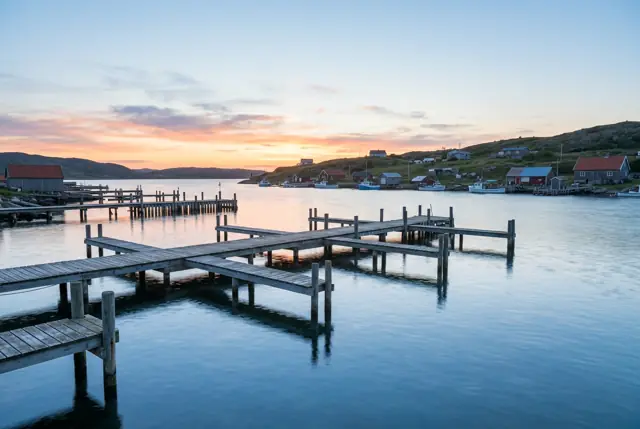
Urban green spaces and open coastal regions provide visual relief and quiet settings. Exposure to natural shorelines or quiet parks helps lower stress responses and reduces fatigue associated with constant multi-tasking. Stepping away from artificial venue lighting and enclosed acoustic spaces allows event crew members to return to work with sharp sensory acuity and renewed creative momentum.
Planning Maritime Downtime During International Travel
Event production often takes teams across international borders to support destination conferences, corporate summits, and touring shows. When working extended production schedules abroad, crew members and logistics leads often find themselves with brief windows of off-duty time between venue load-outs and departure flights. Utilizing these brief intervals for outdoor activities allows event personnel to experience local surroundings while maintaining a relaxed pace.
In major coastal travel hubs where work schedules coincide with warm climate conditions, spending time offshore offers an effective way to uncouple from indoor venue environments. For instance, event personnel managing project turnarounds in Dubai can explore boat hire in Dubai with Alizea Yachting to plan a few hours on open water. A brief excursion along the coast provides quiet surroundings, natural ventilation, and an opportunity to unwind before returning to the next event installation.
Incorporating deliberate, short escapes into a professional routine helps live event specialists balance demanding seasonal schedules with personal well-being. By prioritizing rest, minimizing travel friction, and selecting relaxing environments, event teams sustain high operational standards throughout every project cycle.
More pages
- Topic Specific Webinars Access recorded discussions and expert panel insights on key topics affecting the events industry.
- Equity Statements and conversations on diversity, inclusivity, and equity in the DC events industry.